
PRP IPRF and Bio Fillers for Skin Hair and Under Eye Rejuvenation
Aesthetic medicine is moving towards treatments that work with the body rather than simply masking concerns. For many people, that means autologous treatments, procedures made from a person’s own blood or tissue, used to support repair, collagen production, skin quality and hair density.
PRP, IPRF and bio fillers all sit within this category. They are popular because they use natural healing components from the blood, with the aim of improving the skin gradually and subtly. They can be used for tired-looking skin, early ageing changes, thinning hair, under-eye hollows and dark circles.
This guide explains how each option works, where it is most useful, and why combining PRP with IPRF in a single session has become a standard approach at Glamed Clinic.
This article is for general education only and does not replace a consultation with a qualified aesthetic or medical practitioner.
What autologous treatments are and why they are growing in aesthetics
Autologous treatments use material taken from the same person who receives the treatment. In aesthetics, this usually means a small blood sample is collected, processed, and then reinjected into targeted areas.
The blood contains useful components, including:
Platelets, which carry growth factors involved in repair
Plasma, the liquid part of blood that transports proteins and nutrients
Fibrin, a natural mesh-like protein that helps form clots and supports tissue healing
White blood cells, which can play a role in immune and repair processes depending on the preparation method
The attraction is simple. These treatments do not introduce a synthetic product in the same way as traditional dermal fillers. Instead, they aim to encourage the skin and scalp to improve through a biological healing response.
Results tend to appear gradually. This makes them appealing for people who want fresher skin, better texture or thicker-looking hair without a dramatic change overnight.
Common treatment areas include:
Face, neck and décolletage
Under-eye area
Scalp for hair thinning
Acne scarring and uneven texture
Fine lines around the mouth or eyes
Hands
Autologous treatments are not magic, and they are not suitable for every concern. Deep volume loss, severe skin laxity or advanced hair loss may need a different plan. Still, when chosen well, PRP, IPRF and bio fillers can play a valuable role in natural-looking rejuvenation.
PRP supports skin rejuvenation and hair growth
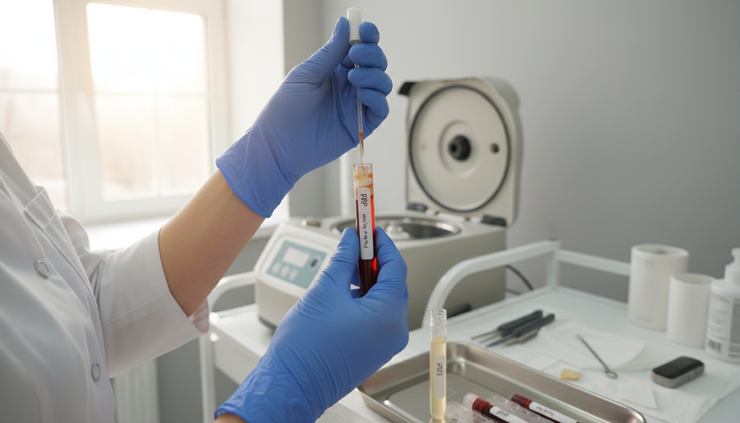
PRP stands for Platelet-Rich Plasma. It is made by taking a small blood sample and spinning it in a centrifuge. This separates the blood into layers, allowing the practitioner to collect plasma with a higher concentration of platelets than normal blood.
Once prepared, PRP can be injected into the skin or scalp. It can also be paired with treatments such as microneedling, depending on the area and goal.
How PRP helps the skin
PRP is widely used for skin rejuvenation because platelets release growth factors that support repair processes. In aesthetic practice, PRP may help improve:
Skin glow and tone
Fine lines
Crepey texture
Mild acne scarring
Enlarged pores
Dull or tired-looking skin
PRP does not work like a filler. It does not instantly lift or plump deep folds. Instead, it encourages the skin to behave more actively, with gradual improvements in texture and freshness.
Many people notice the skin looks brighter first. Collagen-related improvements often take longer because the skin needs time to remodel.
How PRP helps with hair loss
PRP is also used for certain types of hair thinning. It is most often considered when follicles are still active but weakened, such as early pattern hair loss or shedding related to stress or hormonal changes.
When injected into the scalp, PRP may support the hair growth environment by delivering platelet-derived growth factors around the follicle. The aim is to:
Reduce excessive shedding
Support thicker-looking strands
Improve scalp health
Help maintain existing hair density
PRP is not a replacement for hair transplant surgery in areas where follicles are no longer active. It works best when there is still hair to strengthen.
PRP pros and cons
Pros | Cons |
Uses the patient’s own blood, which appeals to people wanting a more natural approach | Results vary from person to person |
Helpful for skin quality, glow and texture | Usually needs a course of sessions for best results |
Often used for early hair thinning and scalp support | Not suitable for all types of hair loss |
Minimal downtime for many patients | Mild swelling, bruising or tenderness can occur |
Can be combined with other aesthetic treatments | It does not create instant volume like dermal filler |
PRP is a strong foundation treatment. It supports overall skin and scalp quality, but it works best when the treatment plan matches the concern.

IPRF is a slower release version with a fibrin matrix
IPRF stands for Injectable Platelet-Rich Fibrin. It is related to PRP, but it is not the same.
Like PRP, IPRF is made from a blood sample. The difference lies in how the sample is processed and what the final product contains. IPRF is typically prepared using a lower-speed centrifuge process and without anticoagulant. This helps preserve a fibrin network within the injectable product.
That fibrin network is the key point. It forms a delicate matrix that can hold platelets and other healing cells, releasing growth factors more gradually.
How IPRF differs from PRP
PRP is more fluid and is usually designed for a quick release of platelet growth factors. IPRF has a richer fibrin structure, which acts more like a biological scaffold.
A simple way to understand the difference:
PRP More liquid, easier to spread, useful for broad skin and scalp stimulation
IPRF More fibrin-rich, slower release, useful for tissue quality and delicate areas
Both treatments come from the patient’s blood. Both aim to stimulate repair. The practical difference is that IPRF may remain active in the tissue for longer because of its fibrin structure.
Why Glamed Clinic combines PRP with IPRF in one session
At Glamed Clinic, combining PRP with IPRF in a single session is a standard approach where clinically suitable. The goal is not to choose one over the other, but to use their strengths together.
PRP provides broad stimulation. It spreads well and delivers platelet activity across the treated area. IPRF adds a fibrin-rich component that supports a slower release and may give the treatment a stronger regenerative profile.
This combination can be useful for:
Dull or tired skin
Fine lines and early ageing changes
Under-eye skin quality
Acne scarring support
Hair thinning protocols
Overall facial rejuvenation
Used together, PRP and IPRF offer a more complete autologous treatment than PRP alone. PRP acts quickly within the tissue environment, while IPRF helps extend the biological signal through its fibrin matrix.
That does not mean every person needs both. A good consultation should assess skin quality, hair concerns, medical history, medication use and realistic goals before treatment.
IPRF pros and cons
Pros | Cons |
Contains a natural fibrin matrix that supports slower growth factor release | Preparation is technique-sensitive |
Can enhance the effects of PRP when used together | Results are gradual rather than instant |
Useful for delicate areas where tissue quality matters | Mild swelling or bruising can occur |
Made from the patient’s own blood | Not suitable for everyone, especially certain medical conditions |
May support collagen and skin repair processes | More complex than standard PRP preparation |
IPRF has become popular because it brings more structure to blood-derived rejuvenation. Its value is especially clear when paired with PRP as part of a planned protocol.

Bio fillers can improve under-eye hollows and dark circles
Bio fillers, sometimes called plasma gel or autologous bio filler, are another blood-based treatment used in aesthetics. They are made from the patient’s own plasma, which is processed into a gel-like material. This gel can then be injected into selected areas to provide soft volume and regenerative support.
The under-eye area is one of the most common reasons people ask about bio fillers. Dark circles can come from several causes, including pigmentation, thin skin, visible blood vessels, puffiness, or hollowing in the tear trough area.
Bio fillers are most useful when the darkness is linked to shadowing from hollowness or thin, tired-looking skin. By adding subtle support under the eye and encouraging tissue quality, they can make the area look fresher and less sunken.
They are less effective when dark circles are mainly caused by genetic pigmentation or vascular discolouration. In those cases, skin treatments, lasers, peels or medical skincare may be more suitable.
How bio fillers differ from dermal fillers
Traditional dermal fillers are usually made from hyaluronic acid. They can give predictable volume and contouring, especially in areas such as cheeks, lips and jawline.
Bio fillers are different because they are created from the patient’s own plasma. They tend to give a softer result and are often chosen for delicate areas or for people who prefer an autologous approach.
The result is usually subtle. Bio fillers do not replace all uses of hyaluronic acid filler, but they can be a good option for cautious under-eye correction.
Bio filler pros and cons
Pros | Cons |
Made from the patient’s own blood plasma | Results may be softer and less dramatic than dermal filler |
Can help under-eye hollows linked to shadowing | Not ideal for dark circles caused mainly by pigmentation |
Gives a natural-looking effect when placed well | Longevity can vary |
Useful for people who want to avoid synthetic filler products | Requires careful preparation and placement |
Can support skin quality as well as mild volume | The under-eye area is delicate and needs an experienced practitioner |
Under-eye treatment needs particular care. The skin is thin, swelling is more noticeable, and small changes can make a big difference. A conservative approach is usually best.
Choosing between PRP, IPRF and bio fillers
PRP, IPRF and bio fillers all come from the body, but they solve slightly different problems. The best choice depends on whether the main concern is skin quality, hair thinning, dark circles, or volume loss.
Treatment | Best suited for | Main strength | Main limitation |
PRP | Skin glow, texture, early hair thinning | Broad regenerative stimulation | Usually needs repeated sessions |
IPRF | Skin quality, delicate areas, enhanced PRP protocols | Slow release through fibrin matrix | More technique-sensitive |
Bio fillers | Under-eye hollows, mild volume support | Soft autologous volume | Not ideal for pigmentation-only dark circles |
For skin rejuvenation, PRP can be a good starting point. For a stronger regenerative session, PRP with IPRF may be more suitable. For under-eye concerns linked to hollowness, bio fillers may provide the extra soft support that PRP or IPRF alone cannot give.
A well-planned consultation should include:
A skin and scalp assessment
A review of medical history and medications
Discussion of previous aesthetic treatments
Clear explanation of downtime and possible side effects
A realistic plan for number of sessions
Before and after photography where appropriate
What to expect during treatment
Most autologous treatments follow a similar basic process. A small amount of blood is taken, then processed in clinic. The prepared PRP, IPRF or bio filler is then injected into the target area using fine needles or cannulas, depending on the treatment plan.
Common short-term effects include:
Redness
Mild swelling
Small bruises
Tenderness
Temporary tightness or sensitivity
Most people can return to normal daily activity quite quickly, although strenuous exercise, alcohol and heat exposure may be limited for a short period after treatment. Aftercare advice should always come from the treating practitioner.
Results vary. Skin treatments may show early glow within days, while collagen-related changes take longer. Hair treatments usually need more patience because hair growth follows a natural cycle.

The natural-looking result is the real goal
Autologous treatments have changed how aesthetic clinics approach skin, hair and under-eye rejuvenation. PRP offers a proven foundation for improving skin quality and supporting early hair thinning. IPRF brings a fibrin-rich structure that can extend and strengthen the regenerative effect. Bio fillers add soft, natural volume, especially in carefully selected under-eye cases.
The strongest plans rarely rely on one product for every concern. At Glamed Clinic, the standard combination of PRP with IPRF in a single session reflects that principle. PRP gives broad stimulation, while IPRF enhances the treatment with slower, fibrin-supported release. For the right person, that pairing can create a more complete and refined result.
The best next step is a personalised assessment. When the treatment matches the concern, autologous aesthetics can help the skin, scalp and under-eye area look fresher without changing what makes a face unique.